What Is Yoga? A Complete Beginner’s Guide to Its Meaning, Styles, Poses, and Benefits
Yoga is often described as stretching, exercise, or relaxation. Those are part of it, but not the whole picture. At its core, yoga is an ancient mind-body practice originating in India that uses movement, breath, awareness, and yoga philosophy to support physical health, mental health, inner peace, and spiritual growth.
Key Takeways
Yoga is designed to unite body, mind, breath, and spirit through physical postures, breathing techniques, meditation, and awareness.
The word yoga comes from the Sanskrit root yuj, meaning union, integration, or wholeness.
Modern yoga includes many styles, from gentle yoga and restorative yoga to vinyasa yoga, ashtanga yoga, and hot yoga.
A regular yoga practice may improve flexibility, strength, balance, sleep, stress, chronic low back pain, and cardiovascular health.
Beginners can practice yoga safely by starting with basic poses, moving at their own pace, and avoiding pain.
What Is Yoga? Defining the Practice
The sanskrit word yoga comes from the root yuj, which means “to yoke,” “to unite,” or “to integrate.” Traditionally, yoga is a body-mind practice that integrates the body, mind, and spirit, aiming for enlightenment, self realization, liberation, or oneness with the universe.
Yoga’s roots go back to ancient Indian traditions, including the Vedic period, the Upanishads, and later the yoga sutras associated with sage patanjali. The ultimate goal of yoga is to achieve self-realization and liberation, not simply to perform challenging poses.
Modern yoga often focuses on physical health, stress relief, mental clarity, and physical activity. Most yoga classes combine yoga poses, breathing exercises, and relaxation. But yoga is not only stretching or advanced shapes. A quiet corpse pose, a supported child’s pose, or one pose practiced with breathing deeply can be just as meaningful as more challenging poses.
The Core Elements of Yoga
• Asana (Physical Postures)
Asana means the physical postures used in yoga practice. These different postures may include standing poses, seated shapes, balancing work, twists, and backbends. The purpose is not perfection. It is awareness, stability, mobility, and self discipline.
For example, mountain pose teaches posture and balance, downward facing dog builds shoulder and leg muscles, and triangle pose develops length, strength, and coordination.
• Pranayama (Breathing Techniques)
Breathwork, or pranayama, is considered an essential component of yoga practice, as it involves controlling and extending the breath to enhance physical and mental well-being.
Research has shown that pranayama is linked with stress relief, improved cardiovascular health, and enhanced cognitive function. Slow breath control can influence the nervous system, heart rate, and attention. Ujjayi breathing, a common pranayama technique, involves equal-length inhalations and exhalations, creating a soothing sound and promoting relaxation during yoga practice.
• Meditation & Awareness
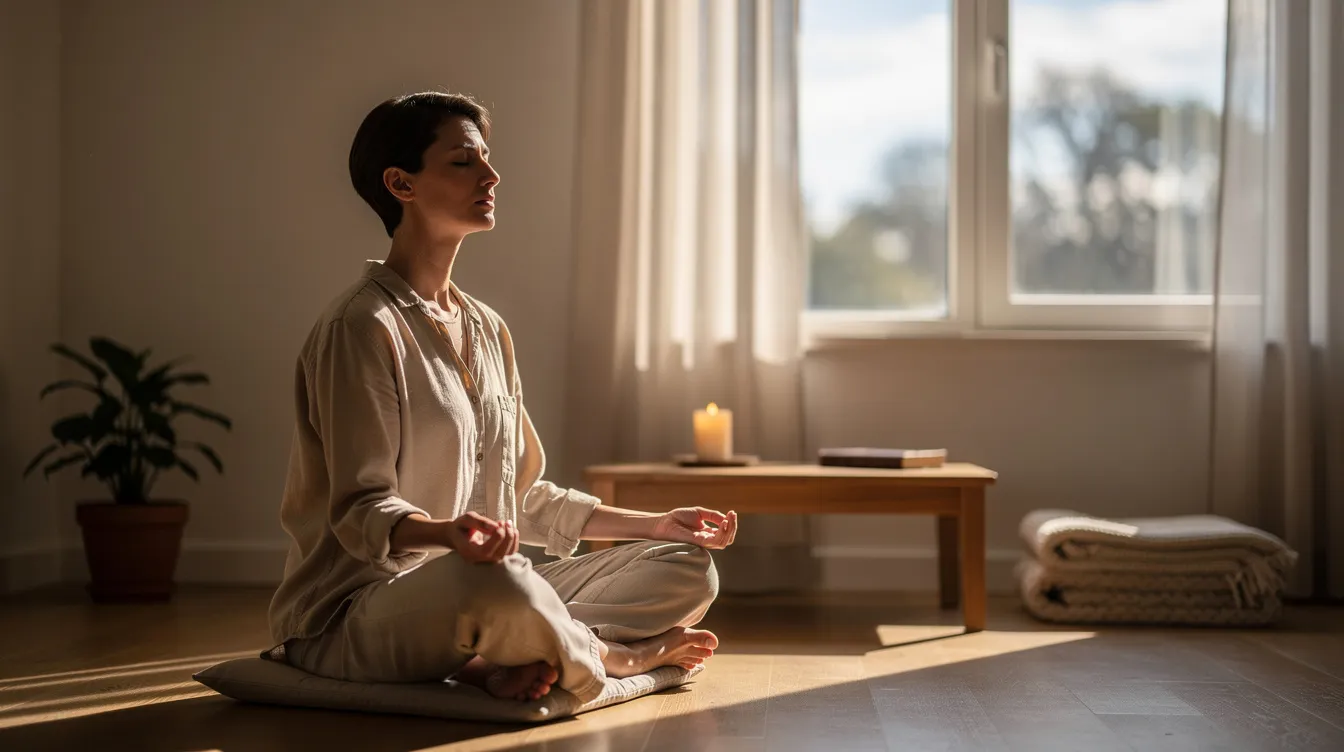
Meditation trains attention in the present moment. In yoga, this may happen while sitting still, holding poses, or moving through flow yoga. The goal is to notice thoughts, sensations, and breath without being pulled around by them.
• Ethical Foundation (The Eight Limbs)
Patanjali’s eight limbs include ethical guidelines, personal observances, asana, pranayama, sense withdrawal, concentration, meditation, and absorption. This framework makes yoga a spiritual discipline as well as a set of physical practices.
In everyday life, the eight limbs can look like non-harm, honesty, moderation, mindful speech, and awareness before reacting.
Major Styles of Yoga
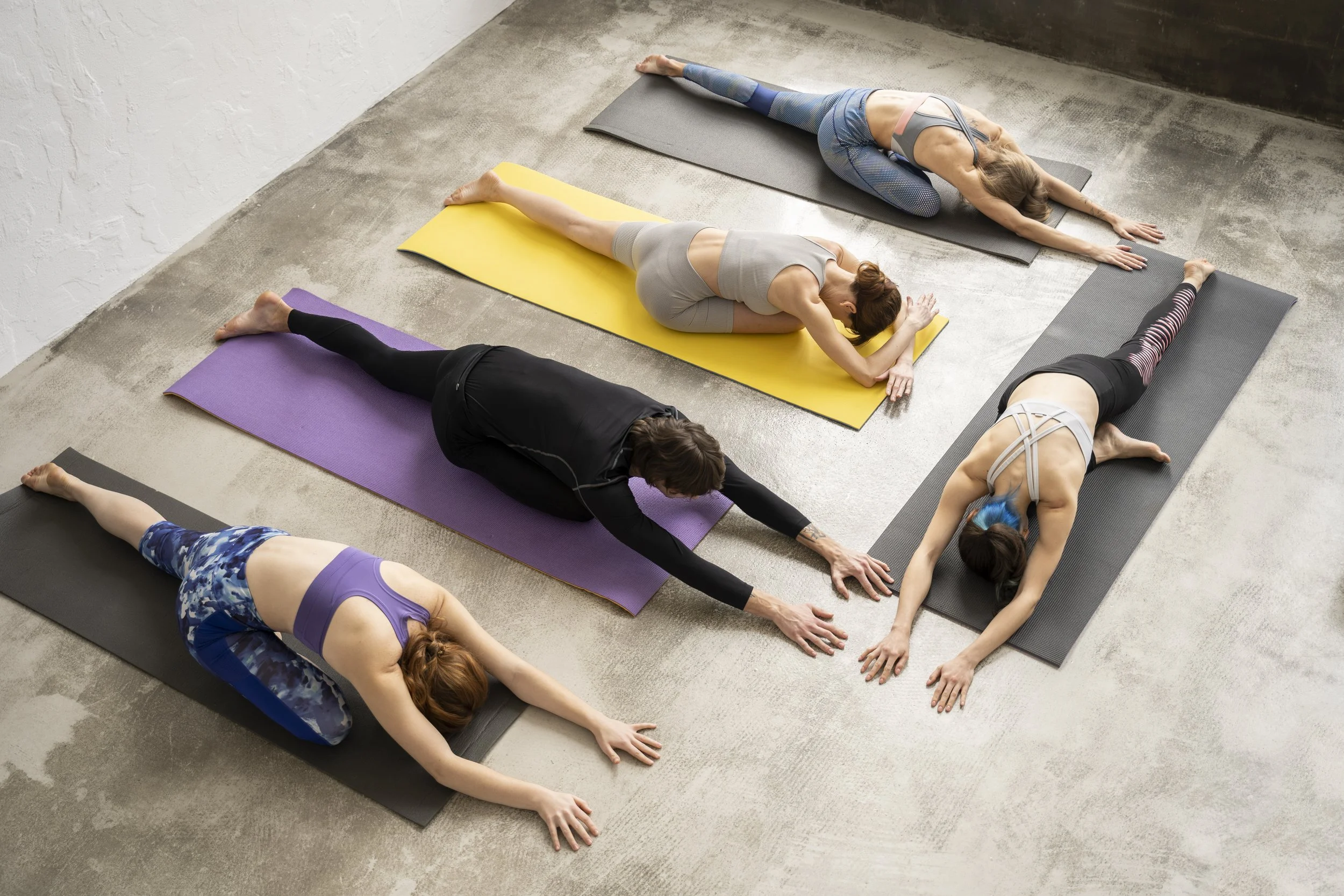
Yoga offers diverse styles catering to different needs, including Hatha, Vinyasa, Ashtanga, Yin, and Restorative.
Hatha Yoga
Hatha yoga is a generic term for any type of yoga that focuses on physical poses and usually serves as a gentle introduction to the basic poses of yoga. It is slower, alignment-focused, and useful for beginning yoga.
Vinyasa Yoga
Vinyasa yoga includes smooth transitions between postures and offers a cardio workout that increases strength and endurance. This style links movement with breath, so it can feel rhythmic, athletic, and meditative.
Ashtanga Yoga
Ashtanga yoga is a rigorous type of yoga that involves following sequences of postures while synchronizing the breath, making it more physically demanding than some other types of yoga. It is structured, disciplined, and best approached after learning fundamentals.
Iyengar Yoga
Iyengar yoga focuses on finding the correct alignment in each pose, often using props such as blocks, blankets, and straps to assist practitioners. Yoga blocks, yoga straps, bolsters, and chairs help make individual poses more accessible.
Yin Yoga
Yin Yoga involves holding poses for long periods to target deep connective tissues and promote deep relaxation. Because holding poses can be intense, beginners should avoid forcing range of motion.
Restorative Yoga
Restorative Yoga is a gentle style designed to relieve stress and heal the body using props for support. It is ideal for fatigue, stress, recovery, or anyone who wants deep relaxation rather than intensity.
Kundalini Yoga
Kundalini yoga aims to release pent-up energy at the base of the spine through a combination of asana, pranayama, and meditation, often starting with chanting.
Bikram Hot Yoga
Bikram yoga is an intense form of yoga that involves following a precise sequence of 26 poses and two breathing exercises in a heated room. It can be demanding, so hydration and medical caution matter, especially with cardiovascular disease, pregnancy, or heat sensitivity.
Foundational Yoga Poses for Beginners
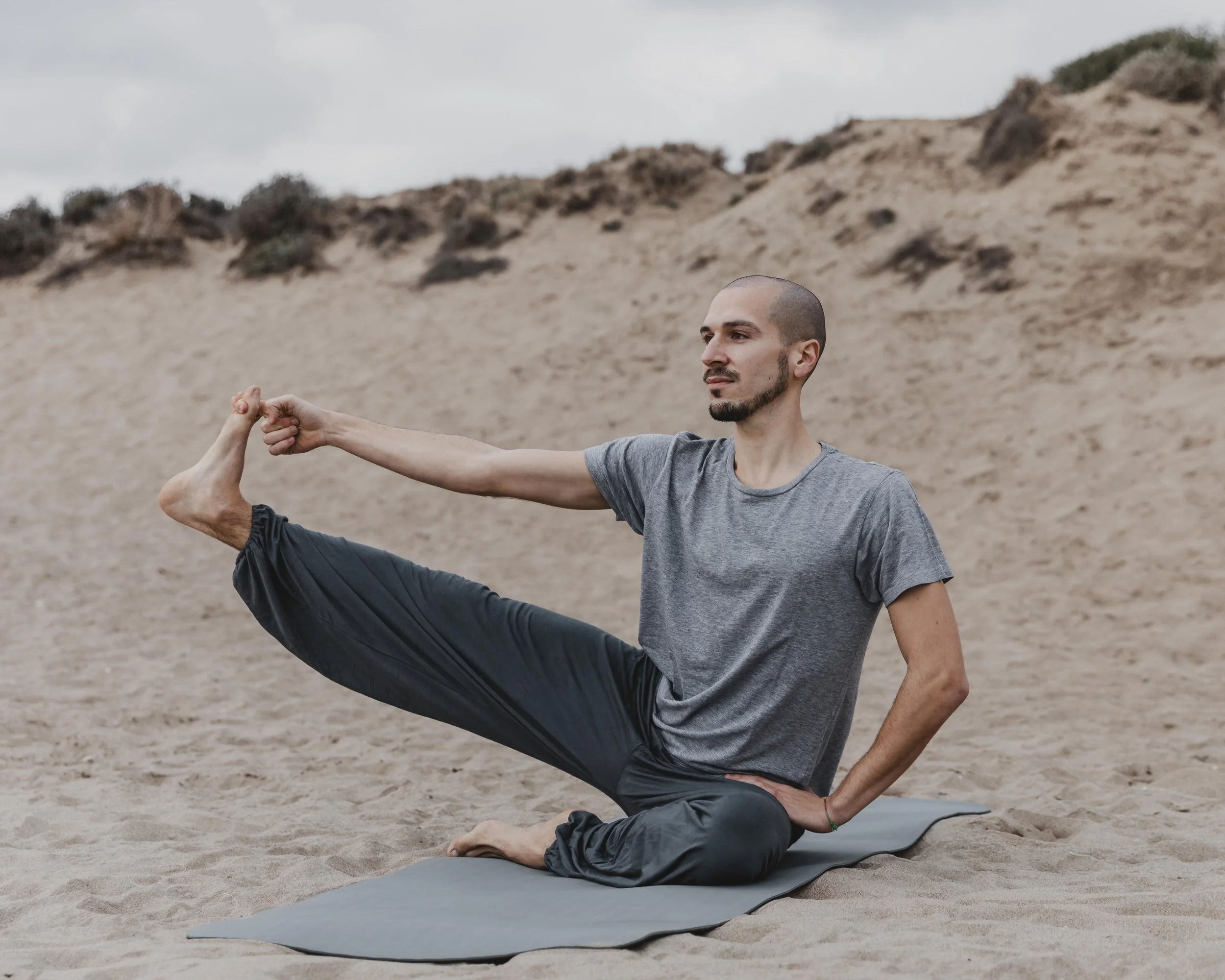
These are some of the best yoga poses for yoga for beginners. Start with a short and straightforward yoga session and gradually build up from there, incorporating more challenging poses as you become comfortable with the basics.
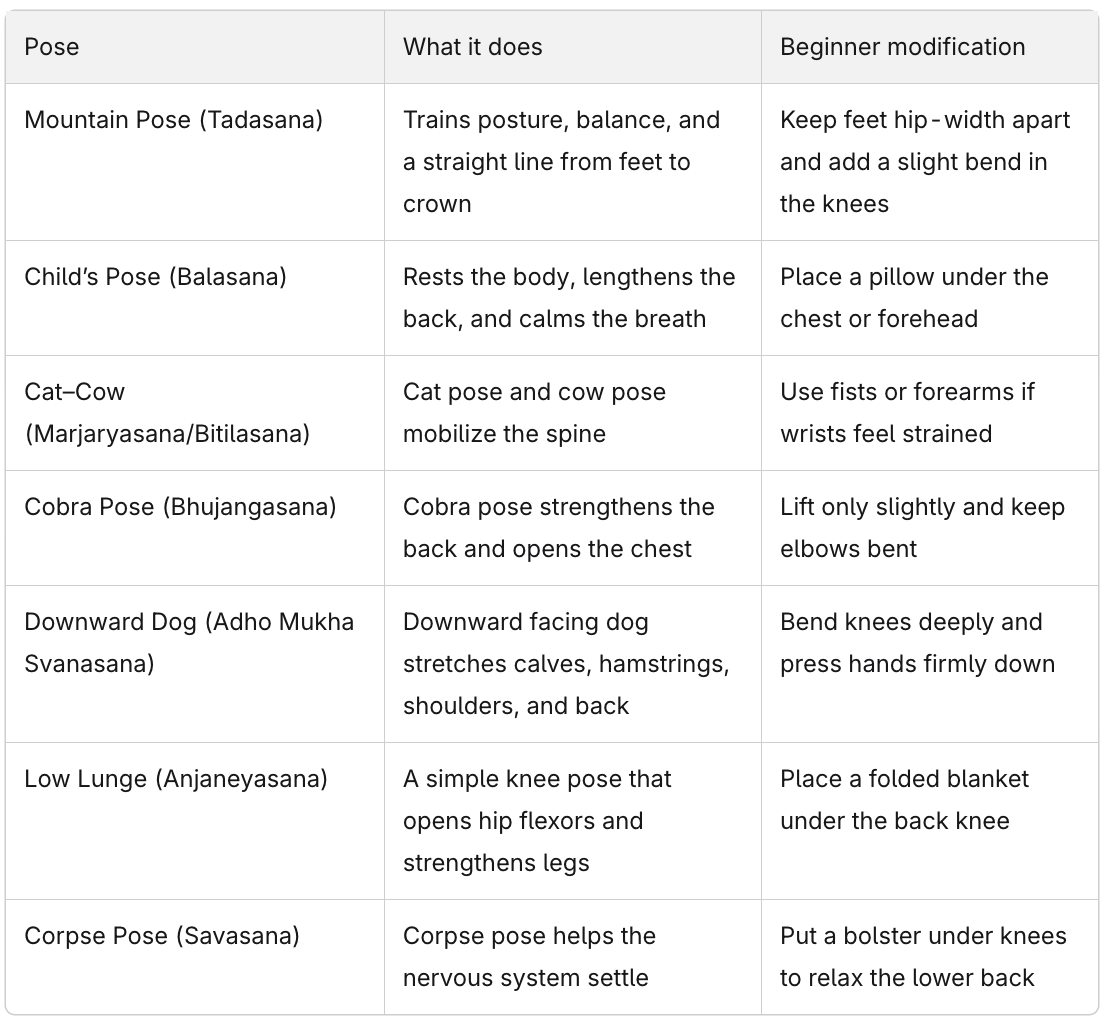
In seated positions, notice your sitting bones and keep the spine long. If you feel pain, stop, adjust, or ask a yoga teacher for help.
How Yoga Works: Mind–Body Connection
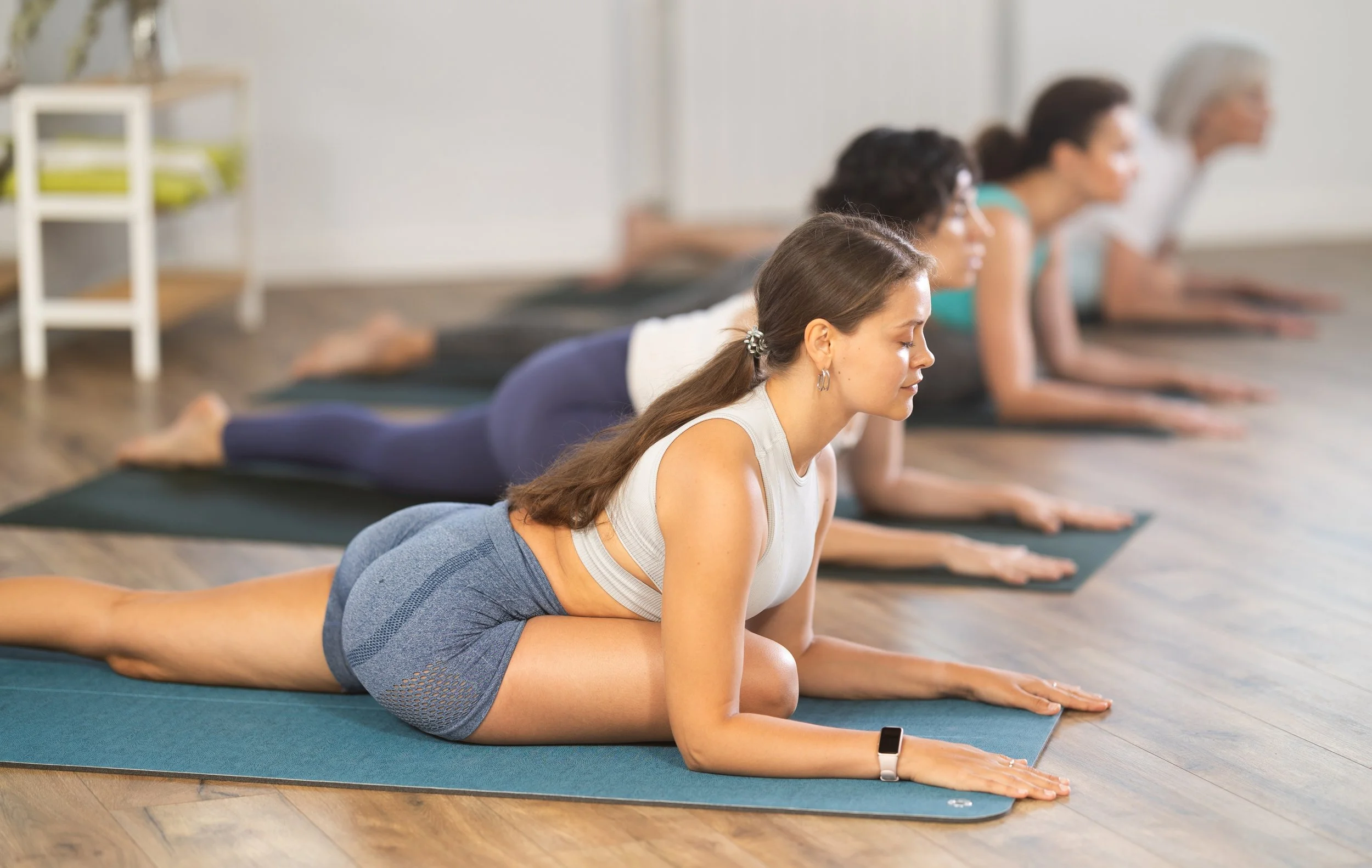
Yoga works because it affects several systems at once: muscles, joints, breath, attention, and the nervous system. Deep breathing can increase parasympathetic activity, which is associated with rest, recovery, and emotional regulation.
Breath and heart rate are closely connected. When you practice breathing deeply and slowly, the body often shifts away from stress arousal. Studies on pranayama and heart rate variability suggest that breathing practices can improve autonomic balance and support heart health.
Yoga may also reduce stress hormones and help regulate mood. Research reviews have found that yoga can reduce anxiety, stress, and depressive symptoms, especially when practiced consistently over weeks.
Movement can become meditation. In vinyasa yoga, awareness follows the breath through transitions. In iyengar yoga or yin yoga, awareness develops through stillness. Either way, the training is the same: return to the present moment.
Health Benefits of Yoga (Research-Based)
Physical Benefits
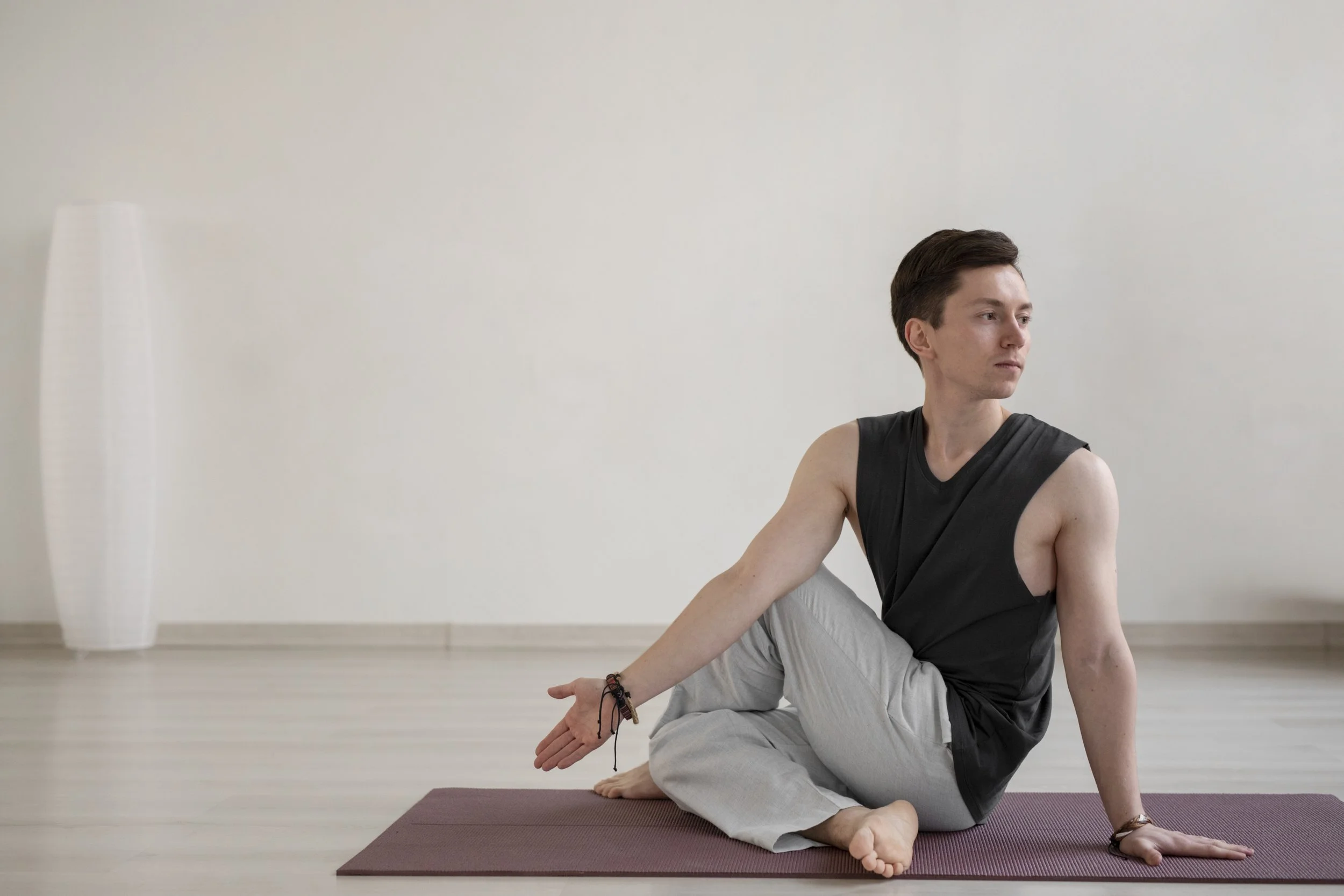
Regular yoga practice can improve flexibility, strength, and balance, contributing to overall physical fitness. It may also improve posture, joint health, and physical energy without the impact of running or jumping.
Yoga is especially well studied for chronic low back pain. Reviews of randomized trials show that yoga can reduce pain and disability, although results are often similar to other forms of exercise. The Cochrane review on yoga for chronic non-specific low back pain also notes that adverse events can occur, so modification matters.
Mental Benefits
Yoga has been found to help decrease depressive symptoms and significantly reduce stress and anxiety. It can also support better sleep, emotional regulation, and focus.
If you struggle to fall asleep, a gentle evening practice with breathing exercises, child’s pose, and corpse pose may help the body downshift.
Cardiovascular & Long-Term Health
Yoga may support blood pressure, stress management, and cardiovascular health. Research on slow breathing and pranayama shows promising effects on heart rate variability and nervous system regulation.
Practicing yoga consistently can improve the quality of your life immensely, enhancing both physical and mental health. It may also support weight loss indirectly by improving body awareness, stress regulation, and healthier habits, though yoga’s calorie burn depends heavily on style.
Yoga complements medical care, not replaces it. Anyone with cardiovascular disease, uncontrolled blood pressure, severe pain, or chronic inflammation should coordinate with a clinician, yoga therapist, or qualified yoga instructors.
How to Start Yoga as a Beginner
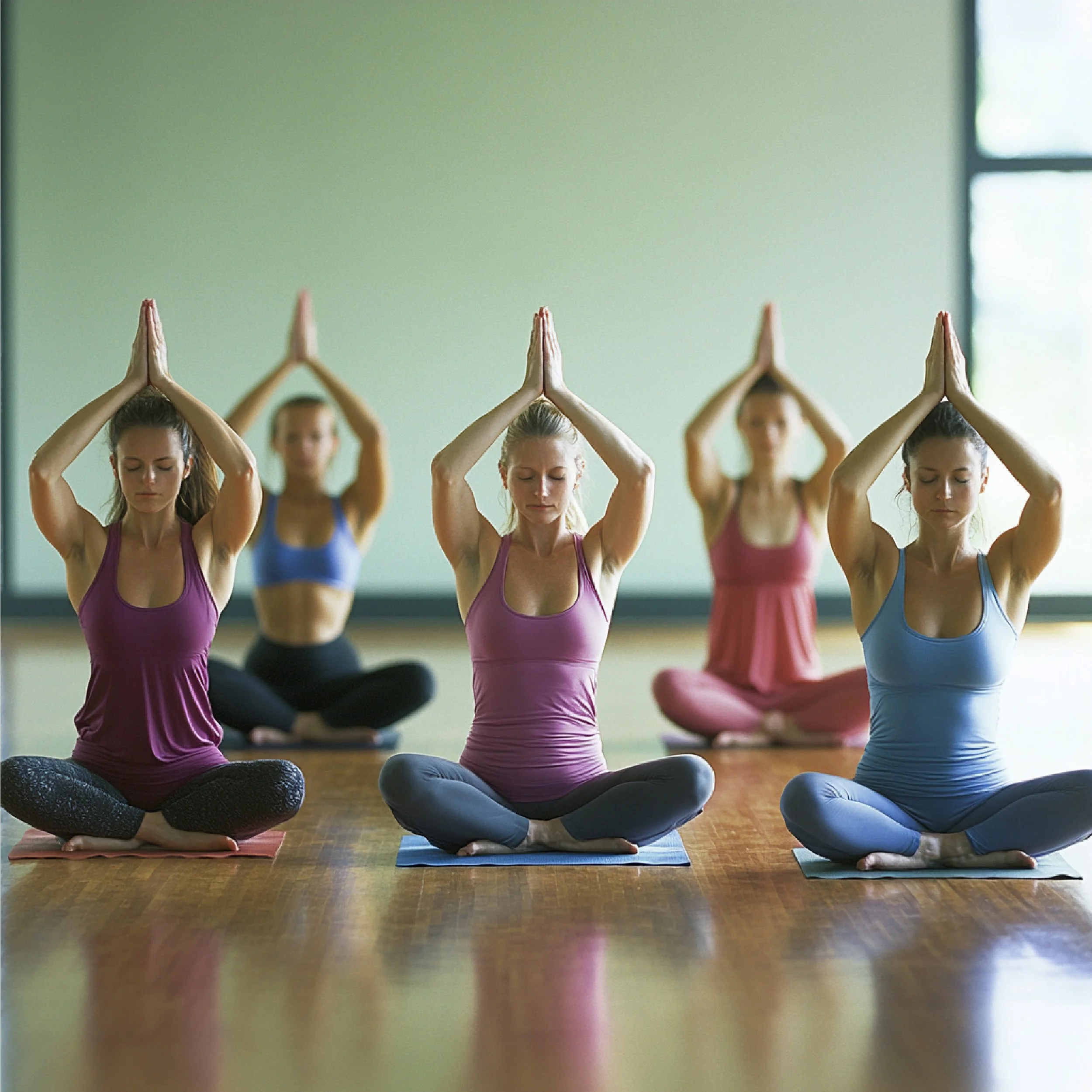
It is recommended that beginners wear comfortable clothes that allow for movement, and they can start practicing yoga in bare feet on a sticky yoga mat.
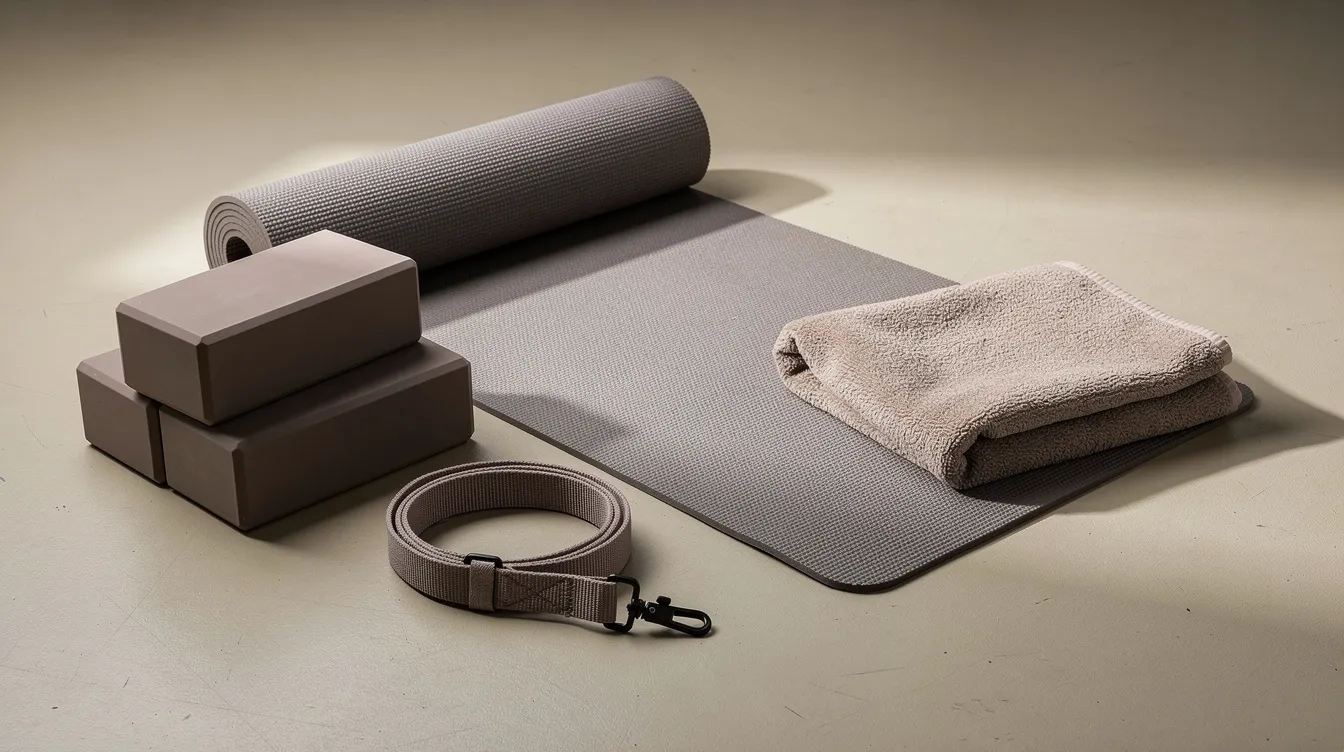
Bring water, a towel, and optional props. A local yoga studio may provide mats, yoga blocks, blankets, and yoga straps. If you learn yoga at home, choose beginner-friendly yoga classes and avoid forcing deep stretches.
Practicing yoga 3 or more times per week can lead to significant improvements in flexibility, strength, and overall well-being, with shorter sessions of 20-45 minutes being ideal. For your first class, even 10–20 minutes is enough.
Start with gentle yoga, hatha yoga, restorative yoga, or iyengar yoga. Avoid intense hot yoga or ashtanga yoga until you understand alignment, breath, and your limits.
A good yoga school or yoga teacher should encourage modifications. You should never be pressured into challenging poses before your body is ready.
Yoga Philosophy in Everyday Life
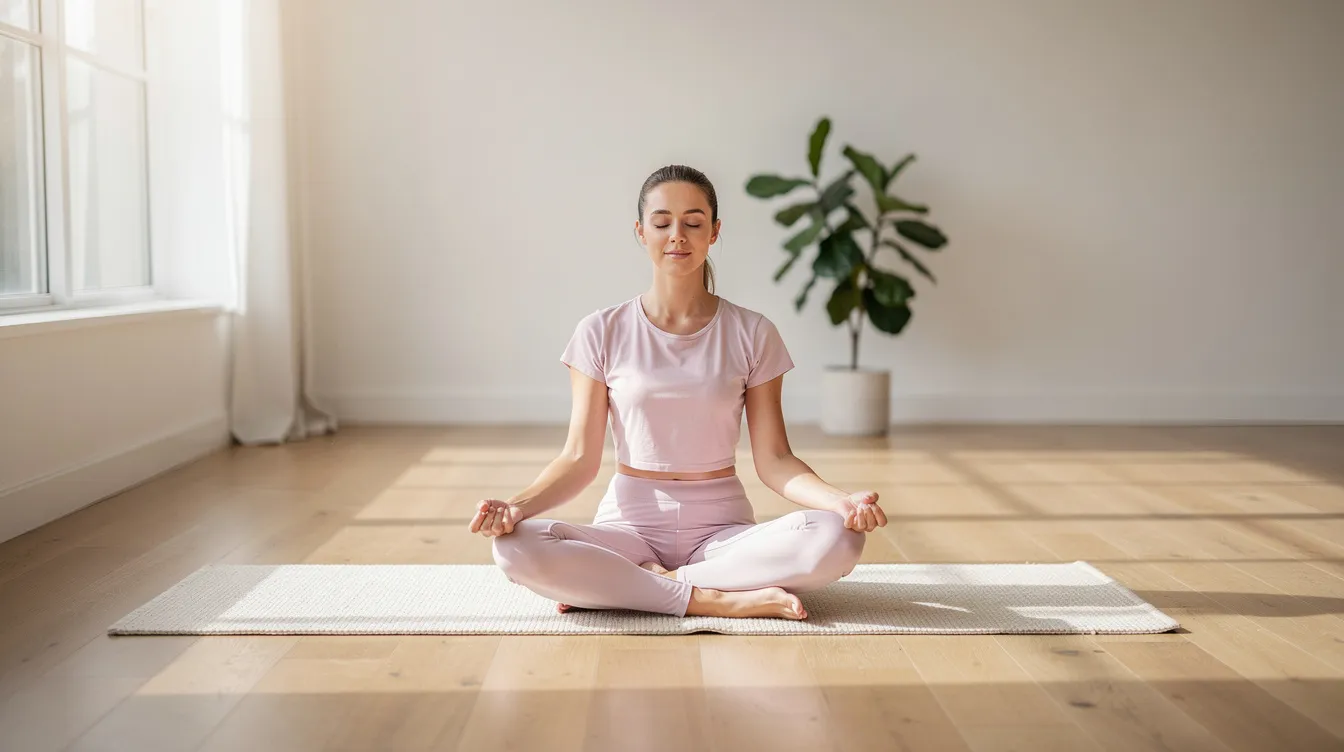
Yoga philosophy is practical. Ahimsa, or non-harm, can mean not pushing through pain. Satya, or truthfulness, can mean admitting when you need rest. Self discipline can mean showing up for regular practice even when you only have ten minutes.
The point is not to adopt a new identity. It is to bring awareness into everyday life: how you breathe in traffic, how you sit at work, how you respond to stress, and how you treat yourself.
Honoring yoga’s South Asian roots also matters. Modern yoga has changed across cultures, but its deeper teachings deserve respect.
Conclusion
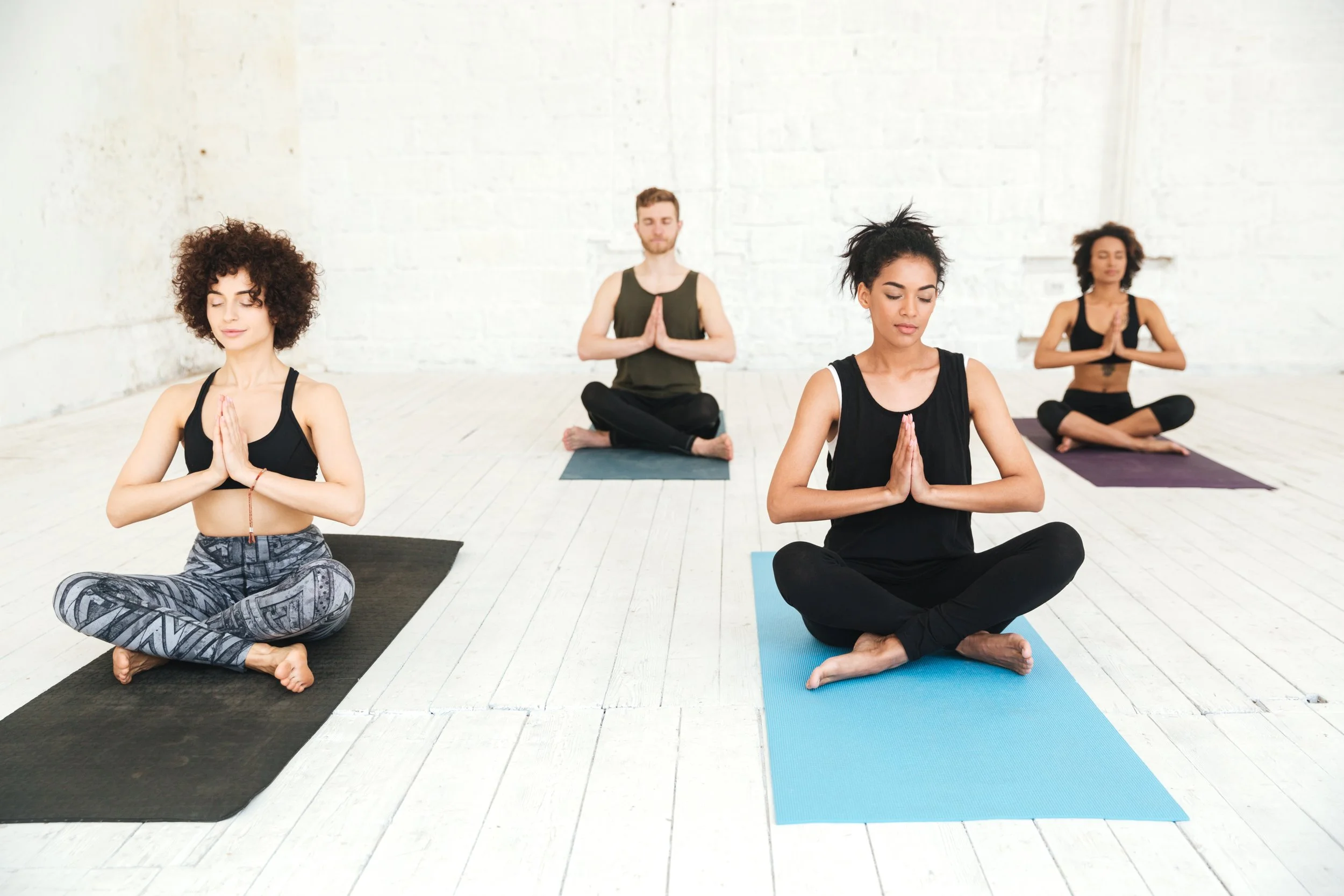
Yoga is a lifelong practice, not a performance. Start simple, choose a style that fits your body, and remember that consistency is more important than intensity.
If you are new, begin with basic poses, breathe slowly, and move at your own pace. The goal is awareness, not perfection.
Frequently Asked Questions (FAQ)
Do I need to be flexible?
No. Yoga is accessible for everyone, regardless of age, weight, or fitness level, and flexibility is a result of yoga practice rather than a prerequisite for starting.
Is yoga safe with injuries or heart conditions?
Often, yes, when modified. Choose gentle classes, tell the instructor about injuries, and consider working with a yoga therapist. Avoid heated or vigorous styles unless cleared by a healthcare professional.
Can I practice at home?
Yes. Home practice is useful, especially for short sessions. However, occasional guidance from a yoga teacher can help you refine alignment and avoid strain.
How long until I see results?
Most beginners notice changes in flexibility, sleep, and stress levels within two to four weeks of consistent yoga practice, while strength and deeper flexibility changes may take longer, often two to three months.
Can yoga help with weight loss?
Yoga can help with weight loss by supporting mindfulness, stress reduction, strength, and consistency. More active styles like vinyasa yoga and hot yoga burn more energy than restorative yoga or yin yoga.